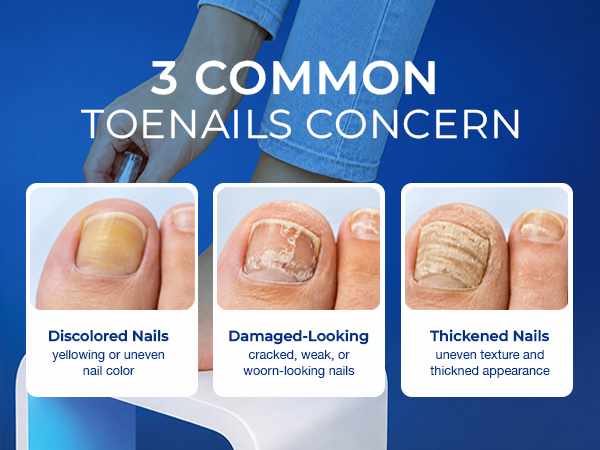
Myth-Busting & Evidence

Nail Fungus Myths vs Facts

Clearing up 10 common misconceptions about nail fungus, natural remedies, and prevention — so you can make informed decisions about your nail health.

📚 Educational Resource🚫 No Unsubstantiated Claims✅ Botanical Research⚕️ Includes Medical Disclaimer
FDA Regulated Standards
Formulated in cGMP facilities
Non-GMO / 100% Natural
Botanical terpene extracts
Secure 256-Bit SSL
Encrypted checkout safety
100% Satisfaction
Risk-free natural care
Why Accurate Information Matters

The Cost of Misinformation

Misconceptions about nail fungus are widespread — and they cause real harm. People delay care because they believe it's only cosmetic. They stop treatment too early because the surface nail looks slightly clearer. Understanding what's actually true helps you treat the condition effectively.

⏰
Myths about speed

Lead to stopping care too early when no overnight results appear

🚿
Myths about hygiene

Create unnecessary stigma around a very common fungal condition

💊
Myths about unverified solutions

Drive spending on unproven remedies and unverified product claims

🏥
Myths about severity

Cause people to ignore a condition that can progress if left unchecked

Common patient concerns and evidence-based myth clarification
10 Myths Debunked

Fact vs Fiction

#1Treatment Expectations
❌

MYTH

"Natural remedies cure nail fungus overnight."

✅

FACT

Natural treatments require consistent use over weeks or months. Toenails grow very slowly (2–3mm per month), and complete regrowth of a damaged nail can take 6–18 months. There is no shortcut — patience and persistence are essential. Even prescription oral antifungals take months to work.
#2Health Impact
❌

MYTH

"Nail fungus is only a cosmetic problem."

✅

FACT

While nail fungus may begin as a cosmetic concern (discoloration, thickening), it can spread to other nails, cause significant pain when walking, and lead to secondary bacterial infections. In people with diabetes or weakened immune systems, untreated nail fungus can lead to serious complications including cellulitis. It can also spread to the skin as athlete's foot.

#3Transmission
❌

MYTH

"You can't get nail fungus from nail salons."

✅

FACT

Nail salons are one of the most common sources of fungal infection. Improperly sterilized nail files, clippers, cuticle tools, and footbaths can harbor dermatophytes and other fungi. Always choose salons that use autoclave sterilization or disposable tools, or bring your own kit. High-quality salons will welcome this.

#4Popular Remedies
❌

MYTH

"Vicks VapoRub is a proven cure for nail fungus."

✅

FACT

Vicks VapoRub contains camphor and thymol (from thyme oil), which have mild antifungal properties. Some clinical reports and small studies (including one in the Journal of the American Board of Family Medicine, 2011) do show improvement in some patients. However, it is not a medically proven or endorsed treatment. It may reduce symptoms and slow progression but is unlikely to eliminate a deep infection without additional measures.

#5Treatment Completion
❌

MYTH

"Once the nail looks clear, the fungus is gone."

✅

FACT

Visual improvement of the nail does not mean the infection is eradicated. Fungal organisms can persist in the nail bed and surrounding skin even after the nail appears normal. Stopping treatment prematurely is one of the most common reasons for recurrence. Continue preventive measures (good hygiene, antifungal treatments) even after the nail looks healthy, typically for several more months.

#6Stigma
❌

MYTH

"Only people with poor hygiene get nail fungus."

✅

FACT

Nail fungus is an infection, not a reflection of hygiene habits. Athletes who shower frequently, swimmers, and otherwise highly hygienic individuals commonly develop nail fungus. Moisture and environment matter far more than cleanliness. Being in damp, warm conditions (pools, gyms, sweaty shoes) for prolonged periods creates the conditions fungi need, regardless of bathing habits.

#7Treatment Options
❌

MYTH

"Oral medications are the only effective treatment."

✅

FACT

Oral antifungals (like terbinafine and itraconazole) can be effective for severe cases, but they carry risks including liver toxicity, drug interactions, and gastrointestinal side effects. For mild to moderate infections, topical treatments (both prescription and natural) combined with good hygiene can be effective. The choice of treatment should be based on infection severity, patient health, and medical consultation.

#8Nail Care
❌

MYTH

"Nail polish protects against fungus."

✅

FACT

Regular nail polish can actually make nail fungus worse by trapping moisture under the polish film, creating the exact warm, moist, dark environment fungi thrive in. If applied over an infected nail, polish hides the progression, delaying treatment. If you must use polish, choose breathable ("7-free" or "15-free") formulas, take regular polish breaks, and never apply polish to an actively infected nail.

#9Affected Areas
❌

MYTH

"Fungus only affects toenails, not fingernails."

✅

FACT

Fungal infections of the fingernails (onychomycosis) account for approximately 20–30% of all nail fungus cases. Fingernail fungus is more common in people who have frequent hand exposure to water, use artificial nails, or have experienced nail trauma. The same preventive principles apply: keep nails dry, avoid sharing tools, and protect nails from injury.

#10Prevention
❌

MYTH

"You can't prevent nail fungus."

✅

FACT

Many cases of nail fungus are preventable. Wearing flip-flops in public wet areas, rotating shoes to let them dry completely, using moisture-wicking socks, keeping nails trimmed, and disinfecting nail tools after each use significantly reduce your risk. Good prevention is especially important if you've had nail fungus before, as recurrence is common without ongoing preventive habits.

The Truth, Summarised

10 Key Facts About Nail Fungus

Clinical perspective and medical recommendations regarding nail health
✓

Natural care takes weeks to months — consistent application is key.

✓

Nail fungus is a genuine health concern, not just cosmetic.

✓

Nail salons are a real transmission risk — sterilized tools are essential.

✓

Visual surface improvement doesn't mean the fungus is gone.

✓

Anyone can get nail fungus — hygiene is not the primary risk factor.

✓

Oral antifungals have potential side effects — discuss with your physician.

✓

Regular synthetic nail polish can trap moisture and worsen fungus.

✓

Fungus affects fingernails too, though less commonly than toenails.

✓

Nail fungus is preventable — consistent daily habits reduce recurrence.

✓

Natural botanical ingredients like Tea Tree Oil have clinical research backing.

Free Downloadable Resources

Download Free Natural Nail Care PDF Guides & Checklists

Get instant access to step-by-step printable PDF handbooks, routine checklists, and botanical dilution guides delivered straight to your email.

Instant PDF Access

Get "Complete Natural Nail Fungus Recovery Protocol"

Enter your details to receive the free PDF guide directly in your email inbox.

🔒 100% Privacy guaranteed. Sender: update@motsdouarts.com. No spam ever.

Google Ads Policy Compliant • 20-Point FAQ Engine

20 Essential Questions About Natural Nail Fungus Care

Everything you need to know about safety, timeline expectations, ingredients, and realistic outcomes.

Natural nail fungus care focuses on using evidence-backed plant compounds (such as Terpinen-4-ol from tea tree oil and Undecylenic Acid) alongside strict foot hygiene and moisture control to slow fungal spore replication and support healthy nail regrowth.