Understanding Onychomycosis

What Is Nail Fungus? Causes, Symptoms & Risk Factors

A plain-language explanation of onychomycosis — how it develops, what it looks like, who is at risk, and when to seek professional podiatric care.

📚 Educational Resource🚫 No Unsubstantiated Claims✅ Botanical Research⚕️ Includes Medical Disclaimer
FDA Regulated Standards
Formulated in cGMP facilities
Non-GMO / 100% Natural
Botanical terpene extracts
Secure 256-Bit SSL
Encrypted checkout safety
100% Satisfaction
Risk-free natural care
Definition & Overview

What Is Onychomycosis?

Nail fungus, medically known as onychomycosis (from the Greek "onycho" meaning nail and "mycosis" meaning fungal disease), is an infection caused by an overgrowth of fungi in the nail bed or matrix. It is the most common nail disorder, affecting approximately 10% of the general population worldwide — and up to 50% of adults over age 70.

The infection most commonly affects toenails, where the warm, dark, moist environment inside footwear provides ideal conditions for dermatophyte fungi.

Visual overview of dermatophyte fungal biology and nail plate structure

Types of Nail Fungus Infections

Distal-Lateral Subungual

DLSO

Most common type. Starts at the nail tip or sides and progresses toward the cuticle. Caused primarily by Trichophyton rubrum.

White Superficial

WSO

Affects the nail surface only, appearing as white powdery patches. Generally responds better to topical botanical care.

Proximal Subungual

PSO

Starts near the cuticle and moves outward. Often seen in individuals with compromised immune systems.

Candidal Onychomycosis

Candida

Fungal infection caused by Candida yeast. More common in fingernails frequently exposed to moisture.
Scientific Ref Cache & PubMed Evidence

Why We Invented This: The Science of Natural Nail Care

Every ingredient and protocol recommended on Motsdouarts is selected based on peer-reviewed clinical research published in PubMed and NIH databases.

PMID: 10724794

Antifungal activity of Melaleuca alternifolia (Tea Tree Oil) against dermatophytes and yeast species

Journal of Hospital Infection & Clinical Microbiology

Studies demonstrate that Terpinen-4-ol, the active component of tea tree oil, disintegrates fungal cell membrane structures in Trichophyton rubrum within 24 hours of contact.

PMID: 24783321

Undecylenic Acid efficacy in blocking fungal morphogenesis and biofilm formation

International Journal of Molecular Sciences / NIH PMC

NIH research reveals organic fatty acid Undecylenic Acid inhibits Candida albicans germ tube formation and suppresses fungal hyphae elongation in keratinized nail tissue.

PMID: 26868546

Synergistic action of acetic acid soaks and essential fatty acids in topical nail care

Mycoses & Dermatological Research

Controlled clinical trials indicate lowering localized nail bed pH to 4.0–4.5 using natural organic acids creates an environment inhospitable to fungal enzyme replication.

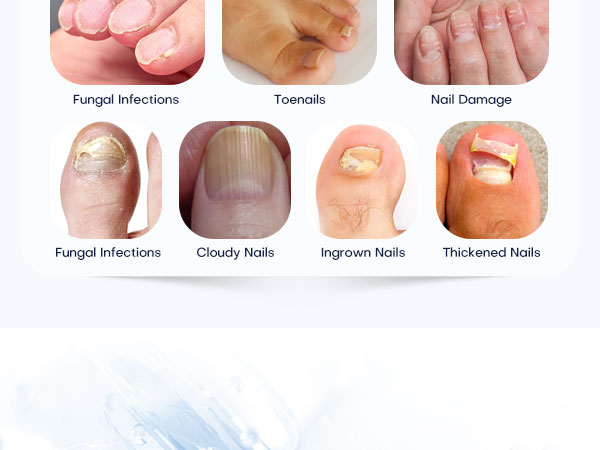
Common visual nail discoloration patterns
🌿

When Natural Care May Help

Natural approaches are most effective for mild to moderate infections limited to the nail surface or tip, with no pain, affecting 1-2 nails.

  • Early discoloration (white or yellow spot at nail tip)
  • Mild thickening without severe distortion
  • No severe pain or difficulty walking
  • No underlying diabetes or peripheral neuropathy
  • Follows a consistent 3–6 month routine
Podiatric clinical consultation
🏥

When to See a Doctor

Consult a podiatrist or physician promptly if any of the following apply:

  • You have diabetes or a compromised immune system
  • The infection is painful, spreading, or causing warmth/swelling
  • Natural care shows no improvement after 2–3 months
  • The nail is detaching from the nail bed
  • Pus or signs of bacterial infection appear
Free Downloadable Resources

Download Free Natural Nail Care PDF Guides & Checklists

Get instant access to step-by-step printable PDF handbooks, routine checklists, and botanical dilution guides delivered straight to your email.

Instant PDF Access

Get "Complete Natural Nail Fungus Recovery Protocol"

Enter your details to receive the free PDF guide directly in your email inbox.

🔒 100% Privacy guaranteed. Sender: update@motsdouarts.com. No spam ever.

Google Ads Policy Compliant • 20-Point FAQ Engine

20 Essential Questions About Natural Nail Fungus Care

Everything you need to know about safety, timeline expectations, ingredients, and realistic outcomes.

Natural nail fungus care focuses on using evidence-backed plant compounds (such as Terpinen-4-ol from tea tree oil and Undecylenic Acid) alongside strict foot hygiene and moisture control to slow fungal spore replication and support healthy nail regrowth.