20-Point Sleep Science & FAQ Knowledgebase
Find clear, science-backed answers regarding natural sleep compounds, circadian biology, safety standards, and Fair Quote access.
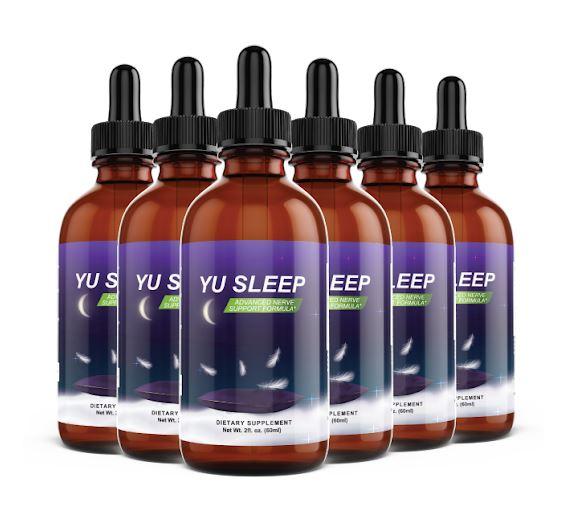
What is melatonin and how does it support natural sleep cycles?
Melatonin is a hormone naturally secreted by the pineal gland in response to darkness. Research indicates that low-dose exogenous melatonin (0.5–3mg) signals the central circadian clock (SCN) to prepare for rest, reducing sleep onset latency by up to 27% in clinical trials without suppressing internal hormone production when used appropriately.
How much magnesium should I take for sleep support and relaxation?
Clinical trials evaluating magnesium bisglycinate for sleep quality typically use doses between 200mg and 400mg taken 30 to 60 minutes before bedtime. Studies demonstrate that this dose activates GABA-A neural receptors and quells nighttime stress hormones.
What is the difference between magnesium glycinate and other magnesium forms?
Magnesium glycinate (bisglycinate) binds magnesium to two molecules of the amino acid glycine. This chelated form delivers exceptional intestinal absorption and crosses the blood-brain barrier effectively while minimizing the gastrointestinal upset associated with magnesium oxide or citrate.
Can L-theanine help improve sleep quality without causing daytime drowsiness?
Yes. L-theanine is a non-protein amino acid that stimulates alpha brainwave generation, fostering a state of relaxed mental alertness. Clinical trials show that 100–200mg of L-theanine taken before bed reduces middle-of-the-night awakenings without causing morning brain fog or grogginess.
What is glycine and how does it lower core body temperature before bed?
Glycine is a inhibitory neurotransmitter amino acid. Clinical research shows that 3g of glycine taken before sleep dilates cutaneous blood vessels in the extremities, facilitating the drop in core body temperature necessary to trigger natural NREM sleep onset.
Is valerian root safe for long-term daily use?
Meta-analyses of 18 clinical trials confirm valerian root extract (300–600mg) is well tolerated for continuous use up to 4–8 weeks. Standardized extracts reduce sleep latency by 15–20 minutes. It is advisable to consult a healthcare provider before prolonged daily administration.
What does clinical research say about passionflower for restless sleep?
Double-blind studies demonstrate that passionflower (Passiflora incarnata) modulates GABA activity in the brain. Small clinical trials reveal significant improvements in subjective sleep quality scores compared to placebo, making it an ideal botanical support for evening restlessness.
How long does it take for natural sleep support ingredients to show results?
Fast-acting compounds like melatonin, L-theanine, and glycine take effect within 30 to 60 minutes of ingestion. Minerals like magnesium glycinate and botanical extracts like valerian deliver compounding benefits over 7 to 14 days of consistent evening use.
Can I combine multiple natural sleep support ingredients together safely?
Yes. Synergistic combinations—such as Magnesium Glycinate + L-Theanine + Melatonin + Glycine—target distinct physiological pathways (GABA activation, alpha waves, circadian signaling, and core cooling) to provide comprehensive sleep architecture support without high single-ingredient doses.
Are natural sleep support formulas safer than prescription sleep medications?
Controlled clinical scoping reviews of 51 RCTs indicate natural sleep nutrients produce significantly lower incidences of morning grogginess, rebound insomnia, or physiological tolerance compared to prescription sedative-hypnotics. However, severe acute sleep disorders require medical diagnosis.
What is the optimal timing for taking nighttime sleep wellness nutrients?
For optimal physiological absorption and circadian timing, natural sleep aid formulas should be taken 30 to 45 minutes before your intended bedtime alongside a small glass of room-temperature water.
Is it safe to consume low-dose melatonin every single night?
Low-dose melatonin (0.5–3mg) is widely considered safe for daily use across several months. Research indicates it does not shut down endogenous melatonin production or cause physical addiction when used as directed.
What are the potential side effects of magnesium supplements?
High doses of inorganic magnesium forms (like oxide) may cause mild digestive loose stools. Chelated magnesium bisglycinate is exceptionally gentle, though individuals with kidney disease should consult their physician prior to supplementation.
Is it safe to use natural sleep aids during pregnancy or breastfeeding?
Pregnant or nursing mothers must always consult their obstetrician before taking any dietary supplement, including natural sleep support botanicals or melatonin.
How does chronic stress and cortisol disrupt nocturnal sleep architecture?
Elevated evening cortisol blocks pineal melatonin release and keeps the central nervous system in a hyper-aroused state, preventing the brain from descending into restorative deep slow-wave (NREM) sleep.
What is sleep hygiene and why is it essential for natural supplement efficacy?
Sleep hygiene encompasses behavioral and environmental habits—such as maintaining a cool (65°F) room, cutting screen exposure 60 min before bed, and keeping a set sleep schedule—that optimize physiological conditions for natural sleep nutrients to work effectively.
How does blue light exposure from screens suppress natural melatonin production?
Blue light spectrum (450–480nm) emitted by smartphones and screens triggers retinal ganglion cells to signal the brain that it is mid-day, instantly suppressing pineal melatonin secretion for up to two hours.
What dietary foods naturally support better sleep quality?
Foods naturally high in sleep-support nutrients include tart cherries (natural melatonin), pumpkin seeds & spinach (magnesium), turkey & eggs (tryptophan), and kiwi fruits (serotonin precursors).
When should I consult a board-certified healthcare provider about my sleep?
If you experience severe chronic sleep latency (>60 minutes nightly), loud choking/gasping snoring (signs of sleep apnea), or daytime somnolence persisting longer than 4 weeks, consult a physician promptly.
Are these natural ingredients FDA approved to treat medical insomnia?
Dietary supplements and natural ingredients are regulated by the FDA under DSHEA as food products, not pharmaceuticals. They are intended for general sleep wellness and healthy sleep cycle support rather than diagnosing, treating, or curing medical insomnia.
Have Additional Questions on Sleep Architecture?
Our health education desk is available to assist you with non-commercial clinical guidance and free educational downloads.