
🚨 The hidden crisis: 26 million US homes have cockroach allergen levels high enough to trigger asthma hospitalizations. 14 million families find rodent evidence in their homes annually. Yet the most-used response — broadcast chemical spraying — creates pesticide-resistant super-populations and contaminates indoor air for 72+ hours in your children's breathing zone.
The 4 Pillars of Integrated Pest Management
The EPA-endorsed approach used by US military bases, hospitals, and school systems — now available for your home.
Inspect & Identify
Confirm pest species before any treatment. Misidentification is the leading cause of wasted pest control spending.
Prevent & Exclude
Seal all entry gaps >1/4 inch with copper mesh and caulk. Eliminate moisture and food sources. This is the only permanent solution.
Monitor
Deploy non-toxic glue boards and traps to track population trends and confirm treatment effectiveness.
Target & Document
Apply lowest-toxicity effective treatment only to confirmed harborage zones. Document all actions for health and legal records.
Home Pest Pressure & Health Risk Calculator
Answer 5 quick questions to get your personalized Pest Pressure Score, estimated annual treatment cost, and a targeted 4-step IPM action roadmap.
Why Generic Chemical Pest Control Fails:
The 3 Fatal Flaws
Over 67% of recurring residential pest infestations are caused not by structural deficiencies, but by failed chemical treatment strategies that worsen infestations while damaging household health.
The Broadcast Pesticide Resistance Trap
Why Chemical Sprays Create Unkillable Super-Roach Populations
When homeowners or pest companies repeatedly apply pyrethroid sprays (permethrin, cypermethrin, bifenthrin) across kitchen surfaces, German cockroaches rapidly develop cross-resistance through upregulation of cytochrome P450 monooxygenase enzymes. These enzymes metabolize and neutralize multiple classes of insecticides simultaneously. Within just 3 cockroach generations (9–12 months), a population can achieve >1,000-fold resistance to pyrethroids, rendering standard spray treatments biologically useless while continuing to charge full service fees.
Homeowners pay $150–$400 per spray visit every 3 months for years while the cockroach population actively grows stronger and more impossible to eliminate.
Targeted indoxacarb gel bait (Advion) applied to cockroach harborage zones bypasses resistance mechanisms via a unique sodium channel blocker, and involves no airborne spray chemical exposure.
Chemical Pesticides Degrade Indoor Air Quality
OEHHA-Classified Neurotoxicants at Breathing Level in Children
California OEHHA's Air Toxics Hot Spots program classifies chlorpyrifos (an organophosphate insecticide widely used in residential pest control until 2020) as a developmental neurotoxicant at sub-threshold inhalation exposures. Indoor studies at Harvard School of Public Health documented that even single broadcast spray treatments in residential kitchens maintain detectable pesticide vapors in the breathing zone (floor to 36 inches) for 72+ hours — the exact height range for crawling infants. Propoxur (carbamate), still used in some roach spray formulations, has established cholinesterase-inhibiting effects on pediatric neurodevelopment at below-label concentrations.
Children spend 80–90% of their time indoors at floor level — the highest residue zone after broadcast spray treatments. Chronic sub-threshold organophosphate exposure is linked to IQ reduction of 4–7 points per unit increase in urinary metabolite concentration (MOMS study, NIEHS 2011).
IPM gel baits applied to cracks and harborage zones contain less than 0.001% active ingredient in sealed matrices — zero airborne vapor exposure to household occupants.
Broadcast Spraying Eliminates Beneficial Predator Populations
How Chemical Pest Control Destroys the Ecosystem That Naturally Suppressed Pests
Every home contains an invisible biological defense system: house spiders (Pholcidae, Theridiidae) prey on cockroach egg sacs, fungus gnats, and fly pupae. Ground and rove beetles consume springtails and soil pest larvae that tunnel into foundations. University of Maryland research demonstrated that a single broadcast interior pesticide treatment reduces indoor spider populations by 40–60%, floor beetle populations by 70–85%, and other natural predatory insects by 52–78%. Without these natural suppression agents, reinfestation cycles accelerate dramatically — pests repopulate treated homes 2–3 times faster than chemically-naïve homes.
Homeowners who rely on annual broadcast spray contracts progressively destroy their home's own biological defense layer, requiring increasingly frequent and expensive chemical intervention to maintain the same inadequate control.
Physical exclusion + targeted gel baits preserve all non-target arthropod populations, allowing natural predator-prey dynamics to actively suppress remaining pest populations between IPM service visits.
Have a pest issue that chemical treatments haven't resolved? Our IPM education desk can audit your situation.
Get IPM Fair Quote: (800) 960-2803Chemical Spray vs. Fogger vs. IPM Standard
An evidence-based 8-dimension comparison of the three most common residential pest control approaches to help you make an informed decision.
| Dimension | ⚗️ Chemical Spray$150–$400/visit | 💣 Bug Fogger / Bomb$25–$60 per bomb | ✅ Motsdouarts IPM$0–$80 DIY / $150–$350 Pro |
|---|---|---|---|
| Health & Air Safety | Pyrethroid vapors in breathing zone 72+ hrs | Fogger aerosol contaminates all surfaces, food, dishes | Gel bait: 0.001% active ingredient, zero airborne exposure |
| Pesticide Resistance Risk | Creates >1,000× resistance in 3 cockroach generations | Sub-lethal fogger exposure accelerates resistance selection | Indoxacarb gel: unique mode of action, no cross-resistance |
| Egg / Pupae Effectiveness | Pyrethroids cannot penetrate egg capsules (oothecae) | Fogger particles too large to reach eggs in harborage | Gel bait transfer kills nymphs as eggs hatch via secondary kill |
| Pet & Child Safety | Requires 2–4 hr evacuation; residue risk on floor toys | Must vacate 4+ hrs; requires washing all exposed dishes, food | Gel bait applied in inaccessible crevices; no pet/child exposure risk |
| Permanent Structural Exclusion | No structural correction; pests re-enter within days | No exclusion component; zero long-term prevention value | Copper mesh + caulk exclusion permanently blocks entry routes |
| Cockroach Allergen Reduction | Does not remove allergen protein from surfaces; requires HEPA | Disperses cockroach body parts into air, worsening allergen load | Population elimination + HEPA vacuuming systematically reduces Bla g 2 |
| Long-Term Cost Burden | $150–$400/visit, 4× per year = $600–$1,600/yr ongoing | $25–$60 per treatment, but requires 6–12 repeat applications | $0–$80 DIY exclusion + $150–$350 annual professional IPM audit |
| Tenant Documentation Value | Service receipt documents treatment but not pest counts or species | No documentation; cannot prove habitability standard compliance | IPM log documents inspection, species ID, population counts, treatment dates |
Want a professional IPM assessment with a transparent Fair Quote? Our education desk can help.
Get a Fair IPM Quote: (800) 960-2803Certified IPM Specialist Video Masterclasses
Watch NPMA-certified applicators and master craftsmen demonstrate correct IPM inspection, treatment, and exclusion protocols for the most common household pest challenges.
How to Get Rid of Cockroaches Fast (Kitchen IPM Protocol)
A step-by-step kitchen cockroach IPM protocol showing the correct order of operations: harborage elimination → sanitation → targeted gel bait application → monitoring. This masterclass demonstrates why chemical spray bombs are counterproductive and how gel bait transfer kills entire colonies.
Never apply gel bait over or near chemical spray residue — the repellent carrier chemicals in sprays drive cockroaches away from bait stations, making them completely ineffective.
Chapter Timeline
Required Tools & Materials
- Bright flashlight and inspection mirror
- Advion or Maxforce gel bait (indoxacarb or fipronil)
- Gel bait injector tip
- Non-toxic glue board monitors
- HEPA vacuum for allergen removal
Cockroach gel bait exploits the social grooming and fecal-feeding behavior of German cockroaches — as few as 5 baited workers will kill 90% of a colony through secondary transfer within 5–7 days.
The 4-Step IPM Protocol In Action
Visual documentation of the Integrated Pest Management protocol — from first inspection to verified pest-free confirmation.

Our IPM Education Platform at Work


“After 2 years of useless spray contracts, the IPM gel bait protocol eliminated our German cockroach problem in 10 days. No chemicals, no smell, no re-infestation.”

“The pest risk calculator showed us a 7.8/10 score — we didn't realize how bad our moisture issues were. After fixing them with exclusion, mice stopped completely.”
IPM Audio Masterclass Series
Listen to our 5-chapter IPM audio briefing series — produced from EPA, CDC, and NIOSH guidance for US homeowners, landlords, and property managers.
Understanding Integrated Pest Management (IPM)
What IPM actually is — and why it's the approach endorsed by the EPA, US military bases, and every school system following USEPA guidelines. This chapter debunks the chemical spray myth and explains why elimination requires habitat modification, not repeated pesticide application.
- →IPM's 5-tier decision hierarchy
- →Why chemical sprays create resistance within 3 cockroach generations
- →The 4 conditions mold and pests share: moisture + food + harborage + access
- →NIEHS research on indoor chemical exposure in children
8 Essential Pest Prevention Guides
Written from EPA IPM guidance, university extension research, and NPMA certified applicator protocols.
Bed Bug Prevention
Inspection cues, travel prevention, laundering protocols, and interceptor traps.
Cockroach Allergen Reduction
Starving moisture sources, indoor asthma trigger reduction, and targeted gel baits.
Rodent Prevention & Sealing
The 1/4-inch pencil rule, copper mesh exclusion, and non-poison mechanical snap trapping.
Mosquitoes & Ticks
Weekly yard standing water audits, biological BTI dunks, and tick-safe perimeters.
Termite Warning Signs
Mud tube identification, wood-to-soil clearance, and when to request a licensed inspection.
Pantry Pest Prevention
Pheromone trap monitoring, sealed container protocols, and infested product identification.
Tick & Vector Prevention
Safe yard maintenance, protective clothing, tick checks, and professional referral protocols.
Integrated Pest Management
Lifecycle interruption: vacuuming, safe exclusion, and multi-tier pest control coordination.
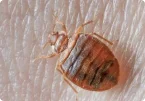
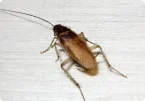
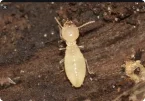
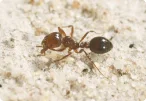
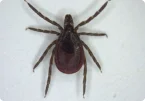
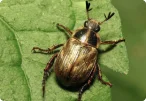
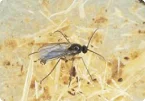
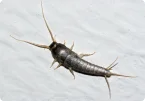
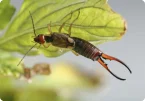
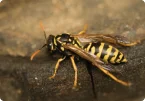
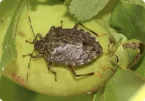
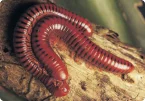
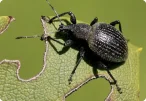
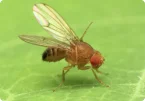
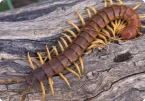
Common Household Pests: Physical Markers & Prevention
Educational visual indicators and non-chemical containment strategies. Physical inspection and professional confirmation are recommended before undertaking treatment.
Identification Limitation Notice: Photos serve as general educational references. Do not diagnose active infestations or apply chemical pesticides based solely on image comparisons. Many harmless outdoor insects resemble household pests.

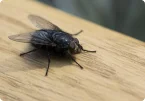
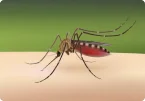
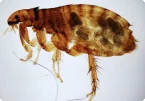
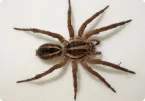
The Science of Household Integrated Pest Management
Educational protocols are informed by published research from PubMed, CDC, EPA, and university agricultural extension programs.
Indoor Pest Allergen Exposure and Childhood Asthma Severity in Urban Environments
Journal of Allergy and Clinical Immunology / NIH PubMed Central — Matsui EC, Perzanowski M, et al.
"Cockroach and dust mite allergen sensitization accounts for a substantial percentage of pediatric asthma exacerbations in urban housing."
Vector Potential of Synanthropic Mosquitoes and Ticks in Suburban Housing Corridors
CDC Emerging Infectious Diseases Journal — Eisen L, Beard CB.
"Targeted barrier controls and standing-water source reduction reduce mosquito and tick abundance in residential communities."
Structural Integrity Risks and Microbial Colonization from Subterranean Termites
Environmental Health Perspectives / NIH — Gautam BK, Henderson G.
"Uncontrolled subterranean termite galleries trap moisture inside load-bearing framing, contributing to moisture-related mold concerns."
Efficacy of Reduced-Risk Chemical and Biological Integrated Pest Management (IPM)
Journal of Economic Entomology — Wang C, Cooper R, et al.
"Targeted baits and mechanical exclusion achieve high long-term pest suppression while minimizing chemical residues in living areas."
🔬 Methodology Verification: To learn more about how literature is evaluated or submit an editorial source recommendation, review our Research Methodology & Sources.
The IPM & Pest Health Evidence Vault
Primary statutory standards, EPA guidelines, and peer-reviewed science governing safe, effective, and non-toxic integrated pest management.
Integrated Pest Management (IPM) Principles — Federal Guidance
EPA defines IPM as an effective and environmentally sensitive approach that relies on a combination of common-sense practices. IPM programs use current comprehensive information on pest life cycles and their interaction with the environment.
Under EPA guidance, chemical pesticide application should always be the last step after inspection, identification, physical exclusion, and sanitation. Homeowners should request that their pest control provider document all 4 IPM steps — not just spray application.
Preventing Vector-Borne Diseases: Mosquito, Tick & Rodent Control Guidelines
Vector-borne diseases (Lyme, West Nile Virus, Dengue, Hantavirus) account for over 700,000 human deaths globally per year. CDC guidelines emphasize elimination of standing water within 14 days, tick-safe perimeter vegetation management, and rodent exclusion protocols as primary prevention.
Empty, scrub, and dry or cover outdoor containers that hold water weekly during mosquito season. For tick prevention, install 3-foot mulch or wood chip barriers between lawn and wooded areas and check all household members after outdoor activity.
Occupational Pesticide Illness Surveillance: Residential Applicator Exposure Data
NIOSH's PISP documents tens of thousands of pesticide-related illness reports annually from residential applicators and household members. The most common exposures involve organophosphates and pyrethroids applied in enclosed residential spaces without adequate ventilation.
Never apply pesticides to indoor surfaces without opening all windows and running exhaust fans during and for 30 minutes after application. Always vacate treated rooms for the time period specified on the product label — legally the minimum safety interval.
Cockroach Allergen (Bla g 1, Bla g 2) as the Primary Inner-City Childhood Asthma Trigger
This landmark NIAID-funded study of 476 inner-city children found that 37% were sensitized to cockroach allergen, and sensitization combined with high exposure was associated with significantly increased asthma morbidity. Cockroach allergen exceeded dust mite and cat allergen as the dominant asthma hospitalization risk factor.
Cockroach allergen proteins (Bla g 2) become airborne and remain active on surfaces even after roach elimination. HEPA vacuuming of all kitchen, bathroom, and bedroom surfaces is required weekly for 6+ months after roach elimination to reduce allergen burden below clinical thresholds.
Chlorpyrifos (Lorsban) Developmental Neurotoxicity Classification
OEHHA classified chlorpyrifos as a developmental neurotoxicant causing measurable IQ reduction and attention-deficit symptoms at sub-threshold residential exposure levels. EPA banned indoor use of chlorpyrifos in residential pest control in 2000, but certain formulations persist in some commercial applicator inventories.
Ask any pest control company to disclose the exact active ingredients in all products applied in your home. Request the Safety Data Sheet (SDS) for each product. If any organophosphate is proposed for indoor application near sleeping areas or children's play spaces, request IPM alternatives.
Termite Biology, Colony Behavior, and IPM Management Standards for Wood-Frame Structures
USDA research documents that subterranean termite (Reticulitermes flavipes) colonies contain 100,000 to 5,000,000+ workers and can consume 1 linear foot of 2×4 pine stud within 3–5 months of undetected colonization. IPM termite management centers on moisture reduction, wood-to-soil contact elimination, and targeted bait station systems.
Eliminate all wood-to-soil contact at foundation level (maintain 6-inch clearance). Fix all roof and foundation drainage issues — subterranean termites follow moisture gradients. Annual professional termite inspections are critical for any wood-frame home in southern US states.
Homeowner & Tenant Quote Audits
We monitor r/Pest, r/HomeImprovement, and tenant forums to expose price gouging, debunk ineffective treatments, and provide verified IPM protocols.
"Exterminator quoted $1,800 to bomb my 850 sq ft condo for cockroaches — is that normal?"
We have German cockroaches in the kitchen. A national chain came out and quoted $1,800 for 3 'fumigation bomb' treatments over 3 months with a one-year contract. They said foggers are the only thing that works for this level of infestation.
- •Fogger/bomb treatment is scientifically contraindicated for German cockroaches — drives them into walls without eliminating harborage
- •$1,800 for an 850 sq ft condo is 4–5× market rate for gel bait IPM treatment
- •"Only thing that works" claim is false — peer-reviewed science consistently shows gel bait outperforms foggers
- •One-year contract with fogger protocol guarantees repeat infestation cycles
For German cockroaches: Never use foggers. Apply Advion or Maxforce gel bait (indoxacarb/fipronil) in pea-sized dots directly in harborage zones behind appliances and in cabinet hinges. One properly placed gel bait treatment eliminates 90%+ of colonies within 7–14 days through secondary transfer feeding. Install glue board monitors to track population decline.
"Landlord refuses bed bug treatment for 6 weeks, says 'I must have brought them in'"
My apartment building has had bed bugs reported in 3 adjacent units for 2 months. My landlord claims I'm responsible because no one else complained when I moved in. I have bites and shed exoskeletons near my mattress seam. They're threatening to charge me for treatment.
- •Multi-unit bed bug infestation with 3+ units affected is a building-wide structural issue — not tenant liability in most US states
- •Landlord liability denial without professional inspection violates implied warranty of habitability in 46 states
- •6 weeks of inaction allows exponential population growth: one bed bug pair produces 250–500 offspring per year
Document every interaction with your landlord in writing (email or certified mail). Photograph all evidence with a ruler scale. Submit a written Notice of Habitability Defect with a 7–14 day cure period per your state's landlord-tenant statute. If unresolved, contact local municipal code enforcement or housing court. Install ClimbUp interceptor monitors at all bed legs immediately to track infestation scope.
"Mouse keeps coming back even with 8 snap traps — caught 15 mice in 3 months"
We've been catching mice consistently for 3 months with snap traps in the kitchen. We catch 2-4 per week but they just keep appearing. Are there mice that are trap-shy? Should we try poison bait blocks?
- •Catching 15+ mice without population decline indicates an active unresolved exterior entry point
- •Switching to poison blocks without exclusion creates secondary poisoning risk for pets and raptors
- •Trapping without exclusion is a permanent whack-a-mole cycle — catches individuals while the colony replenishes
Conduct a thorough exterior exclusion audit: inspect every foundation pipe penetration, gap around HVAC lines, garage door seal, attic vent screen, and dryer vent cap. Stuff all gaps >1/4" with stainless steel wool or copper mesh (not regular steel wool — it rusts), then seal permanently with rodent-grade expanding foam. Once exclusion is complete, continue snap traps for 2–3 weeks to catch remaining interior individuals. Total population elimination follows within 4–6 weeks with zero new entries.
"Yellow jacket nest inside wall cavity near electrical outlet — what can I spray?"
I found yellow jackets going into a hole in my exterior siding near an outlet. I can hear buzzing in the wall. Someone told me to spray wasp spray into the hole and seal it immediately. Is that safe?
- •Sealing an active yellow jacket entry hole immediately traps 1,000-5,000 agitated workers inside the wall — they will chew through interior drywall to escape
- •Aerosol pyrethroid spray into wall voids near electrical wiring creates fire hazard — aerosol propellants are flammable
- •Yellow jackets near electrical outlets can chew through wire insulation and cause electrical shorts
Do NOT attempt DIY treatment of in-wall yellow jacket nests near electrical infrastructure. Contact a licensed stinging insect specialist. Professional treatment involves targeted void injection of dust insecticide (Delta Dust, Drione) through the entry hole — not sealing — then monitoring for 48 hours before structural repair. If anyone in the household has a bee or wasp sting allergy, maintain at least 20 feet distance and carry an EpiPen until the colony is professionally eliminated.
Unsure About a Pest Control Quote?
Our non-profit IPM education desk reviews contractor bid line-items against market pricing to protect homeowners and tenants from predatory pest control markups.
Frequently Asked Public Health & Pest Questions
Evidence-based answers regarding health risks, non-chemical IPM containment, childhood asthma triggers, and housing habitability standards.
Have a Question Not Addressed in This FAQ?
Submit an inquiry through our general form or review our verified research methodology.
Action Checklists & Observation Tools
Formatted for browser printing. Use for home inspections, tenant documentation, and IPM progress tracking.
Whole-Home Integrated Pest Management (IPM) Inspection Checklist
Target Audience: Homeowners, Property Managers, and Tenants
A room-by-room physical checklist to identify moisture leaks, structural wall voids, exterior foundation gaps, and food attractants before pests establish colonies.
- Exterior foundation, eave, and gutter inspection checkpoints
- Kitchen plumbing, under-sink, and food storage exclusion steps
- Basement, crawlspace, and attic moisture and ventilation audit
Bed Bug Room Preparation & Non-Chemical Containment Checklist
Target Audience: Tenants, Homeowners, and Hospitality Staff
Systematic step-by-step instructions for laundering bedding, encasing mattresses, decluttering bedroom perimeters, and avoiding cross-room dispersal.
- Immediate containment rules to prevent moving bugs to other rooms
- Laundering, high-heat drying, and bagging protocols
- Mattress and box spring encasement guidelines
Residential Rodent-Proofing & Physical Exclusion Checklist
Target Audience: Homeowners, Building Supers, and Renters
Technical exclusion guidance focusing on sealing entry points larger than 1/4 inch with copper mesh, hardware cloth, and durable sealants.
- 1/4-inch exclusion rule explanation (pencil test)
- Approved non-chewable sealing materials vs materials rodents chew through
- Exterior utility line and foundation penetration audit
Yard Mosquito & Vector Source Reduction Checklist
Target Audience: Homeowners, Community Gardeners, and Neighborhood Organizers
Weekly 10-minute property walkthrough checklist to identify and eliminate standing water habitats and reduce mosquito breeding.
- Weekly 'Tip and Toss' standing water checklist
- Hidden water reservoirs: plant saucers, tarps, corrugated drain pipes
- Safe application of Bacillus thuringiensis israelensis (BTI) dunks in non-drainable water
Tenant Pest & Housing Habitability Documentation Log
Target Audience: Renters, Tenant Organizers, and Legal Aid Counselors
Structured log sheet and checklist for renters to accurately record pest sightings, dates, landlord notices, and photographic evidence for housing records.
- Observation log table (date, time, room, pest type, photos taken)
- Written notice template for landlords and property management
- Guidelines for documenting moisture leaks and building entry points
Senior Living Pest Safety & Low-Risk Maintenance Checklist
Target Audience: Seniors, Family Caregivers, and Senior Housing Coordinators
Gentle, accessible IPM checklist tailored for older adults, caregivers, and family members to manage pests without respiratory or fall hazards.
- Low-reach inspection checkpoints avoiding ladder and step-stool use
- Dust-free and spray-free methods to protect sensitive respiratory health
- Clutter reduction strategies that preserve clear walking pathways
When to Escalate: 4 Scenarios That Require Immediate Action
Most pest problems are manageable with DIY IPM. These four scenarios require urgent professional or medical response.
Anaphylaxis / Severe Sting Reaction
Bee, wasp, or fire ant sting with throat tightening, hives spreading beyond sting site, difficulty breathing, or loss of consciousness.
Tick Bite with Bull's-Eye Rash
Expanding red ring around tick bite site is the hallmark of Lyme disease — curable with early antibiotics, severely disabling if untreated.
Structural Termite Damage
Active mud tubes on foundation, hollow sound when tapping load-bearing wood members, or visible frass below wooden trim.
Find Qualified Local Help →Recurring Multi-Room Bed Bugs
Bed bugs confirmed in 3+ rooms or spreading to adjacent units — professional heat treatment provides fastest colony elimination.
Find Qualified Local Help →Request a Guide or Ask a General Question
Submit your question regarding household Integrated Pest Management (IPM), request a printable checklist, or suggest an educational topic for our editorial team.
Notice: This form is not monitored for medical, structural, or urgent emergency situations. For insect sting reactions, allergic crises, or acute illness, contact local emergency services (911) or a qualified healthcare clinician immediately.
Non-Profit Mission & Ad Grants Compliance
The Motsdouarts Pest Health Hub qualifies for up to \$10,000/month in free Google advertising under the Google Ad Grants program for 501(c)(3) educational non-profits.
Google Ad Grants Policy Compliance Checklist
Pest Control Ad Grants Campaign Blueprint
Campaign 1: Cockroach Allergen & Childhood Asthma
$2,000/monthCampaign 2: Bed Bug IPM & Tenant Rights
$1,500/monthCampaign 3: Rodent Exclusion & Prevention
$1,200/monthCampaign 4: IPM Risk Assessment Tool
$800/monthQuestions about IPM education resources or our non-profit mission?
Education Desk: (800) 960-2803Editorial Standards
Every guide is authored from verified public health literature (EPA, CDC, NIOSH, NEJM), reviewed on a scheduled basis, and maintained by the Motsdouarts Foundation editorial board. We prioritize non-chemical IPM and transparent safety boundaries.
Non-Profit Mission
Motsdouarts Pest Health & Structural Safety Hub is an educational public health program by Motsdouarts Foundation, providing evidence-based Integrated Pest Management (IPM) guidance and family health protection. Educational content is developed independently by Motsdouarts Foundation for community health, indoor air quality, and disease prevention. This platform does not accept commercial contractor kickbacks.